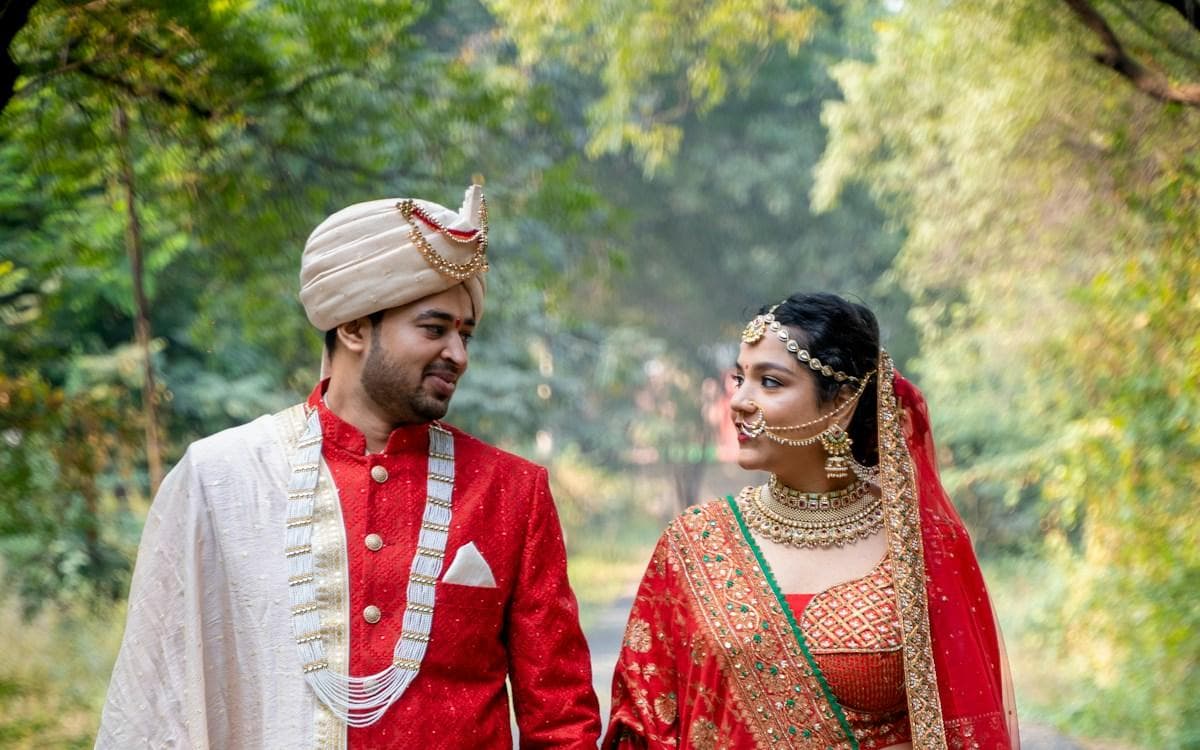
Most wedding invitation wording is inherited. You look at what a cousin sent last year, swap the names and dates, and send it. It is safe, it is fast, and it sounds like nobody in particular wrote it. A personal message is different, and it does not mean abandoning formality. Indian wedding invitations carry real obligations — both families named, elders acknowledged, the ceremony properly described. Personal means adding one or two lines that only you could have written, inside that structure, rather than replacing it. This guide covers what to keep from the traditional form, where a personal line actually belongs, and wording you can adapt for the people you are writing to.
What the traditional structure is doing
Before changing anything, it helps to know what each part of the conventional wording is for.
The invocation — a line to Ganesha, a Bismillah, a reference to God's grace — sets the register and signals that this is a sacred occasion rather than a party. The parents' names establish that two families are joining, not just two individuals; in many communities the invitation is formally issued by the parents, not the couple. The ceremony names and timings carry practical information that guests genuinely need. The request for blessings closes the circle by stating what is being asked of the guest.
None of this is decoration. Removing the parents' names to make an invitation feel modern is the most common mistake, and in many families it causes real offence — it reads as excluding the people hosting the wedding. Keep the structure. Personalise inside it.
Where a personal line belongs
There are two natural places: just before the request for blessings, and in the message you send alongside the invitation.
On the invitation itself, one or two sentences after the ceremony details works well. Something specific rather than general: how you met, how long it took, something true about the two of you. "Seven years after a chance meeting in a Pune bookshop, we are finally doing this" tells a guest something. "We are excited to begin our journey together" does not.
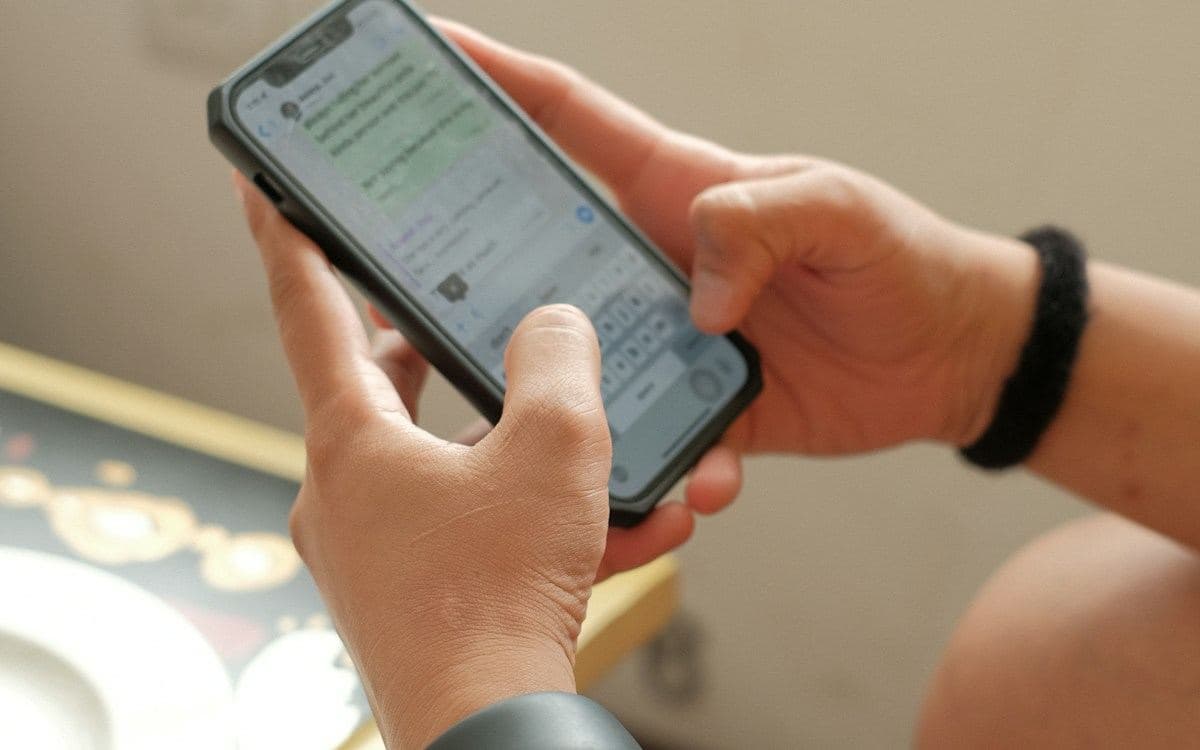
The accompanying WhatsApp message carries the rest. This is where you can write differently to different people — a line to a school friend that would be out of place on a formal card, or a note to an uncle acknowledging he has been asking about this for three years. The invitation stays consistent for everyone; the covering message changes.
A useful test: if the sentence could appear on any wedding invitation in India with only the names changed, it is not personal. Cut it or replace it with something only true of you.
Wording you can adapt
For a formal invitation with a personal closing:
- Together with our families, we invite you to celebrate our wedding on Sunday 14 December at The Leela Palace, Bengaluru. We met in a crowded Metro carriage in 2019 and have been arguing about the right way to make chai ever since. We would love you there for the day it becomes official.
For a covering message to close friends:
- We are getting married! 14 December, Bengaluru. You have heard about this person for six years, so it is about time you met them properly. Full details and directions here: [link]
For a message to elders and relatives:
- Respected Uncle and Aunty, with the blessings of our families, Priya and Arjun are to be married on 14 December at The Leela Palace, Bengaluru. We would be honoured by your presence and your blessings. All ceremony details are here: [link]
For a wedding where the couple are hosting themselves:
- After eleven years, two cities and one very long wait for approvals, we are getting married. Join us on 14 December at The Leela Palace, Bengaluru. Details and schedule: [link]
Adapt the specifics. The pattern to keep is: the obligation first, the personal line second, the link last.
What to avoid
Three things consistently make personal wedding messages worse.
Over-explaining the relationship. A paragraph about your journey belongs on the invitation page or in a speech, not in the message. One sentence is personal; five is a monologue, and guests still have to find the venue.
Inside jokes on the formal invitation. Anything that requires context excludes the majority of the guest list, including the elders whose blessings the invitation is asking for. Save these for individual messages.
Apologising for the format. "Sorry for the digital invite, we could not print cards for everyone" undercuts the invitation. A digital invitation is not a lesser version of a printed one; most Indian families now send both, printed cards to close family and elders and a link to everyone else. State it as a choice, not a compromise.
Quick checklist
- Keep the invocation, both families’ names and the ceremony details
- Add one or two sentences that only you could have written
- Cut any line that would work on any other wedding invitation
- Vary the covering message by recipient; keep the invitation consistent
- Keep inside jokes out of the formal invitation
- Do not apologise for sending a digital invitation
- End with the link carrying schedule, venue and directions
Frequently asked questions
Keep the traditional structure — the invocation, both families’ names, the ceremony details and the request for blessings — and add one or two specific sentences just before the closing. Specific means something only true of you: how you met, how long it took, a detail about the two of you. General warmth such as "excited to begin our journey" reads as filler because it could appear on any invitation.
In almost every Indian context, yes. In many communities the invitation is formally issued by the parents rather than the couple, and removing their names reads as excluding the people hosting the wedding. It is the most common mistake made in the name of modernising an invitation. Keep the names and personalise elsewhere.
Yes, and it works well. Keep the invitation itself identical for everyone, and vary the covering WhatsApp message — warmer and more informal to close friends, more formal to elders and relatives. The invitation carries the obligation and the facts; the covering message carries the relationship.
No. Most Indian families now send both — a printed card to close family and elders, and a digital link to the wider guest list. Apologising frames the digital invitation as a lesser version of a card, which it is not: it carries the map, the full schedule and updates that reach every guest when details change.