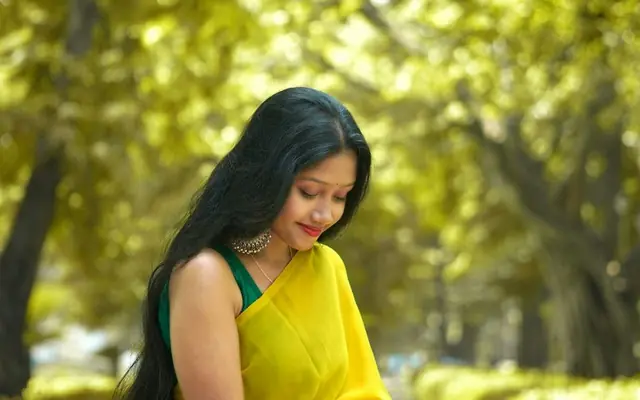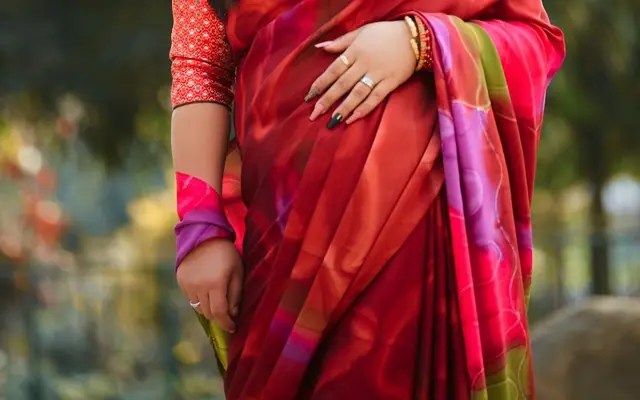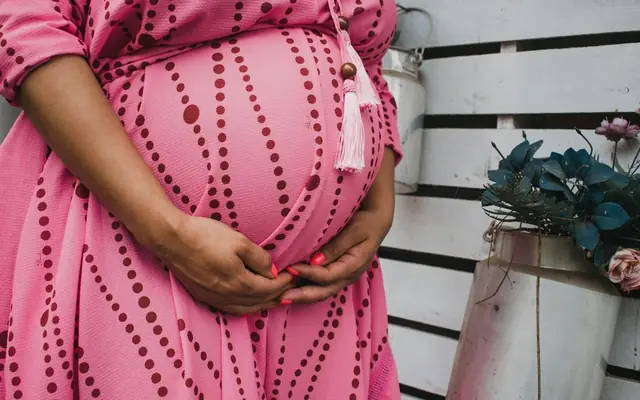
Seemantham is one of the most sacred ceremonies in Telugu and Kannada families: a formal celebration of the expecting mother and a ritual blessing for the safe arrival of the child. Unlike a casual baby shower, Seemantham follows a specific ritual sequence tied to the month of pregnancy and community tradition. The invitation needs to reflect this: not just announce a date and venue, but communicate the nature of the ceremony for guests who may be attending from across the community.
Six Seemantham invitation message samples
Sample 1 (Telugu, formal, in English)
[Family Name] joyfully invites you to the Seemantham ceremony of [Mother-to-be's Name] on [Date] at [Muhurat Time] at [Venue Name], [City]. The ceremony will include Seemantham rituals followed by lunch. Your blessings and presence are our honour.
Sample 2 (Telugu, bilingual)
శుభాకాంక్షలు! [Family Name] వారు [Mother-to-be's Name] గారి సీమంతం సందర్భంగా మీ అందరినీ ఆహ్వానిస్తున్నారు. [Date] | [Time] | [Venue]. Followed by lunch. Your presence and blessings are sought. 🙏
Sample 3 (Tamil Seemantham, Valaikappu variant)
With great joy, [Family Name] invites you to the Valaikappu / Seemantham ceremony of [Mother-to-be's Name] on [Date] at [Muhurat Time] at [Venue Name], [City]. Ceremony followed by blessings and lunch.
Sample 4 (formal English, both families listed)
The families of [Mother-to-be's Father's Name] and [Husband's Father's Name] joyfully invite you to the Seemantham ceremony of [Mother-to-be's Name] on [Date] at [Muhurat Time] at [Venue]. Lunch to follow. Kindly grace us with your blessings and presence.
Sample 5 (short WhatsApp group message)
Sharing [Name]'s Seemantham invitation: [Date] | [Time] | [Venue], [City]. Tap below for the full schedule and directions. 🙏
Sample 6 (modern, warm tone)
Our family is growing! 🌸 Please join us to celebrate [Mother-to-be's Name]'s Seemantham on [Date] at [Time] at [Venue Name], [City]. Traditional ceremony, blessings, and lunch to follow. We look forward to having you with us.
What is Seemantham and how it differs from Godh Bharai or a regular baby shower
Seemantham is a Hindu ceremony from Vedic tradition observed in Andhra Pradesh, Telangana, Karnataka, and Tamil Nadu communities. Its name derives from Sanskrit roots related to parting of hair: in the full traditional ritual, the husband draws a line through his wife's parted hair with a porcupine quill or gold object while chanting Vedic mantras. The ceremony is held in the 7th month of pregnancy (some families observe the 5th) at an auspicious muhurat time, making the timing more structured than a casual baby shower. The focus is sacred blessing (for the mother and the unborn child) and the mood is reverent and joyful at once. This distinguishes it sharply from a Godh Bharai (which is more celebratory and gift-oriented) and from a modern baby shower (which is recreational). The invitation should signal this ceremonial nature with appropriate language ("muhurat," "blessings," "pooja") rather than party-style wording.
Ceremony schedule that the invitation should list
A standard Seemantham programme might run as follows: Muhurat begins with Ganesh Pooja and invocation. The main Seemantham ritual follows, which may include the Gajananam (elephant step), Mangalasnaanam (auspicious bath), bangle ceremony, and the actual Seemantham hair-parting ritual performed by the husband. This is followed by family blessings, gift giving, and a full lunch. In Telugu households, the lunch is often a traditional feast and is a major part of the occasion. The invitation should list the muhurat time prominently: guests understand that arriving after the muhurat means missing the core ceremony. Include the full address with a Maps link, since Seemantham venues are often community halls or the family home in a residential area.
Who to invite: community norms
Seemantham guest lists follow community norms that vary by family. In most Telugu and Kannada families, Seemantham is a women-centric ceremony in its core ritual, with men attending the social portion (lunch). Inviting extended family, community elders, and neighbours is standard, unlike a Godh Bharai, which tends to be more intimate. Many families also invite the mother-to-be's school friends, college friends, and her husband's family colleagues. The occasion is significant enough for a broader list. If the family is hosting the event in their home city but the mother-to-be is visiting from another city (a common pattern), the invitation may need to address two separate groups: the local community and distant family who may attend specifically for this occasion.
Quick checklist
- Confirm the muhurat time before creating the invitation.
- Use the term "Seemantham" (or "Valaikappu" for Tamil families) in the invitation heading.
- List the ceremony sequence: Ganesh Pooja, main ritual, blessings, lunch.
- Include both families' names: maternal and paternal sides.
- Add a venue Maps link with clear entry instructions.
- Note if the ceremony is predominantly women-only or family-inclusive.
- Send 10–14 days before; 3 weeks for out-of-city family.
Frequently asked questions
Seemantham is most commonly held in the 7th month of pregnancy in Telugu and Kannada tradition, at an auspicious muhurat determined by the family astrologer or priest. Some families observe it in the 5th month. The exact timing may depend on the family's regional tradition and the astrologer's recommendation. Tamil Valaikappu is also typically in the 7th month. If the ceremony is being held in a different month due to practical reasons, the invitation does not need to explain this. Just state the date.
The core Seemantham ritual, performed by the husband, is participated in by women in the family, but the husband is the primary performer, so men are not excluded from the ceremony itself. In practice, many families invite all family members to the full event. The social portion (lunch) is typically mixed. If your family's tradition is women-only for the ritual portion, state it clearly in the invitation so male relatives know whether they are expected to attend the ceremony or only the meal.