"When should we send the invitation?" has a different answer for an Indian wedding than for almost any other event, because there is no single moment of inviting. There is a save-the-date, a phone call to elders, a printed card hand-delivered to close family, a digital link to everyone else, and separate communications for each function. Getting the sequence wrong is the most common source of family friction around a wedding. Not a badly designed card — an uncle who found out from a group. Here is a working timeline, counted backwards from the wedding date, with what happens at each point and who it goes to.
Three to six months before
This is the save-the-date window, and it matters most for guests who will travel.
As soon as the date is fixed, tell immediate family by phone. Not message — phone. This includes grandparents, the parents' siblings, and anyone who would reasonably expect to hear directly.
For out-of-city and overseas guests, a save-the-date at this stage is genuinely useful. They are booking leave and flights, and Indian wedding season means fares rise sharply as the date approaches. A save-the-date does not need a venue or a schedule; the date and city are enough.
If the wedding falls in peak season — November to February, or around major muhurat dates — push this earlier. Guests attending three weddings that month will commit to whichever they heard about first.
This is also when the printed card, if you are having one, needs to be commissioned. Printers book out during season.
Four to six weeks before
This is the main invitation window, and the order within it matters.
Close family and elders first, by hand where possible. In many families the printed card is delivered in person to a defined circle — grandparents, parents' siblings, close family friends — and this is treated as a mark of respect rather than a delivery method. Plan the visits; they take a weekend.
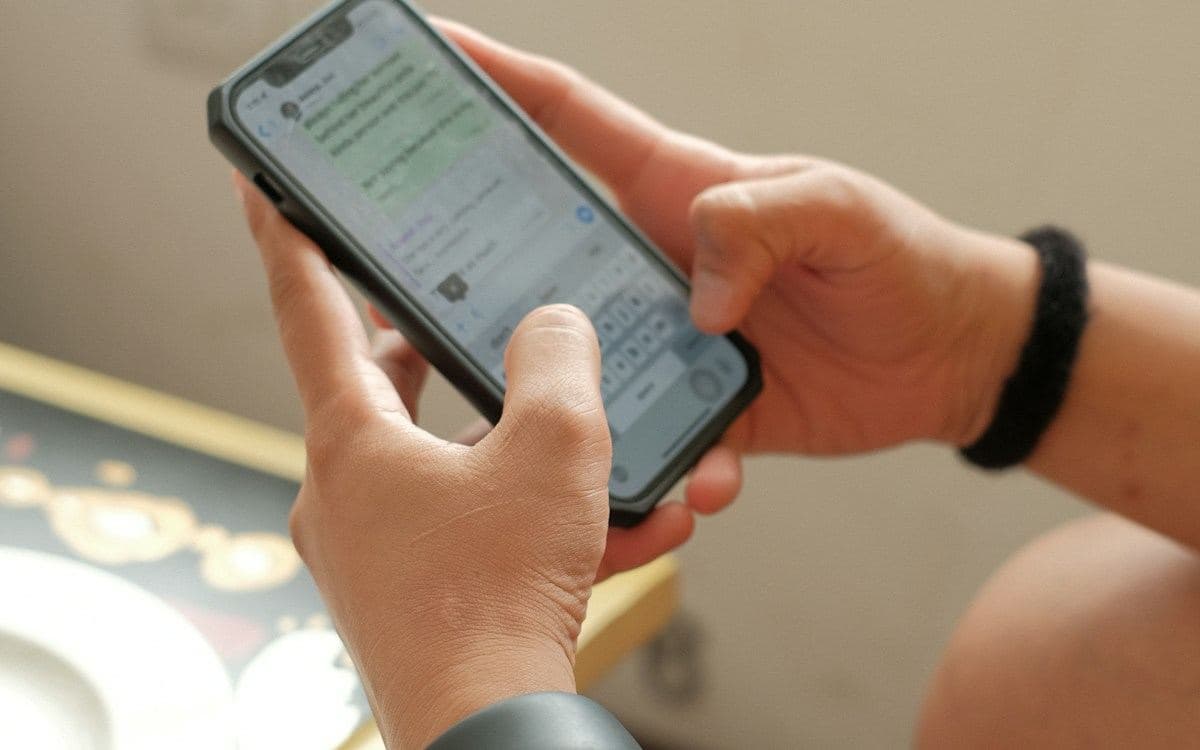
Then relatives individually, by message with the digital link. Then the family WhatsApp groups. Then friends and colleagues.
Both families should send on the same day. A staggered send produces awkward conversations between guests who know each other across both sides.
Four to six weeks gives local guests enough notice to keep the date and out-of-city guests a second prompt to finalise travel. Earlier than six weeks for local guests and the invitation is forgotten by the time it matters.
Two to three weeks before
This is when function-specific communication goes out, if your functions have different guest lists.
Mehendi and Sangeet invitations often go to a narrower circle than the wedding. If you are handling this with a single invitation, state clearly which functions each guest is invited to. If with separate links, send them now.
This is also the window for accommodation and travel coordination with out-of-city guests — who is staying where, whether transport is being arranged, whether anyone needs help. These are individual conversations, not group messages.
If anything has changed since the invitation went out — a venue, a timing, an added function — say so plainly in this reminder and include the corrected invitation link, so nobody is working from the first version.
The final week
Two to three days before the first function, send a short reminder with the link. Not a week before, when guests are not yet thinking about the weekend, and not the night before, when travel and childcare are already arranged.
Keep the reminder brief and re-send the link rather than restating the details, which invites contradictions between message and page.
On the day before, the useful message is logistical rather than celebratory: which gate, where to park, what time to arrive for the muhurat, and the name and number of the family member handling directions. That last one diverts the day-of calls away from the couple and the parents, which is worth more than any other single line.
After the wedding, leave the invitation live. Guests revisit it for photographs and details for weeks, and it is where many will look for the couple's new address or a thank-you note.
Quick checklist
- Tell immediate family and elders by phone as soon as the date is fixed
- Save-the-date three to six months ahead for travelling guests
- Commission printed cards early — printers book out in season
- Main invitation four to six weeks before, in order of closeness
- Both families send on the same day
- Function-specific invitations two to three weeks before
- Reminder two to three days before, not a week
- Day-before message: gate, parking, arrival time, contact number
Frequently asked questions
The main invitation goes out four to six weeks before the wedding, with a save-the-date three to six months ahead for guests who will travel. Immediate family and elders should be told by phone as soon as the date is fixed, well before anything circulates in groups. In peak season, push the save-the-date earlier — guests attending several weddings that month commit to whichever they heard about first.
Immediate family and elders by phone, then close family in person with a printed card where that is the custom, then relatives individually with the digital link, then family groups, then friends and colleagues. Both families should send on the same day — a staggered send produces awkward conversations between guests who know each other across both sides.
Give them a save-the-date three to six months ahead, and the full invitation at the four-to-six week mark like everyone else. They are booking leave and flights, and Indian wedding season pushes fares up sharply closer to the date. The save-the-date needs only the date and city, not a venue or schedule.
Send a short reminder with the link two to three days before. The more useful message is the day before, and it should be logistical: which gate, where to park, what time to arrive for the muhurat, and the name and number of a family member handling directions. That last detail diverts day-of calls away from the couple and their parents.